
Barok kierunek w sztuce europełskiej od końca XVI do XVIII wieku obejmujący okres pomiędzy renesansem i oświeceniem. Nazwa pochodzi od wyrazu portugalskiego barocco oznaczającego perłę o dziwnym, nieregularnym kształcie. Barok cechuje przepych, bogactwo, kontrast światła i cienia i alegoria. W założeniu miał wprawić w zachwyt i olśnić odbiorcę. Malarze barokowi podejmowali najczęściej tematykę, mitologiczną, religijną alegoryczną i portretową. Stosowano powszechnie światłocień
Inne kategorie
Renesans Prymitywizm niderlandzki Barok Manieryzm Złoty Wiek Holandii Klasycyzm Akademizm Romantyzm Hudson River School Neoklasycyzm Impresjonizm Realizm Prymitywizm Postimpresjonizm Symbolizm Tonalizm Secesja Ekspresjonizm Kubizm Abstrakcjonizm-
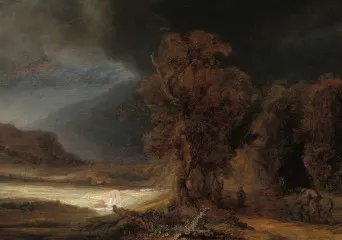 Landscape with the Parable of the Good Samaritan (1638) - Rembrandt van Rijnid: wf12716
 -
 Landscape with the Port of Santa Marinella (1639) - Claude Lorrainid: wf16188
 -
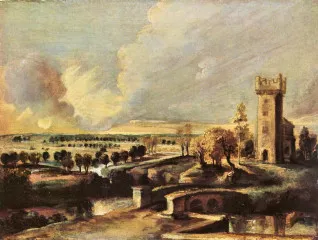 Landscape with the tower of the castle Steen - Rubensid: wf1739
 -
 Landscape with the woman washing her feet (1650) - Nicolas Poussinid: wf10101
 -
 Landscape with two nymphs and a serpent - Nicolas Poussinid: wf10102
 -
 Large Self-Portrait - Rembrandt van Rijnid: wf12717
 -
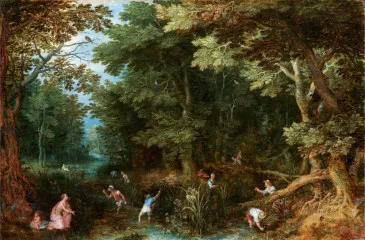 Latona and The Lycian Peasants (C. 1605) - Jan Brueghel Młodszyid: wf14823
 -
 Le Ravissement de Saint Paul 1650 - Poussinid: wf1771
 -
 Le triomphe d’Henri IV (17th Century) - Peter Paul Rubensid: wf12521
 -
 Les noces de Cana 1633 - Orrenteid: wf1787
 -
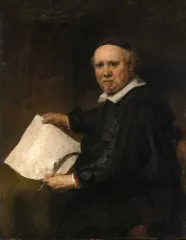 Lieven Willemsz van Coppenol - Rembrandt van Rijnid: wf12718
 -
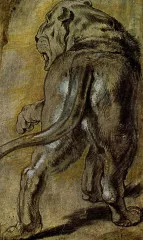 Lion - Rubensid: wf1811
 -
 Lion and Tiger hunting - Rubensid: wf1809
 -
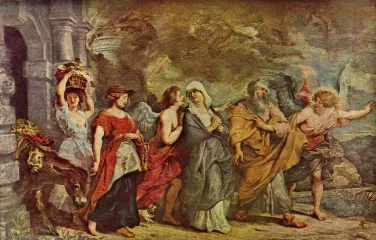 Lot escape - Rubensid: wf1826
 -
 Lot with his family to leave Sodom - Rubensid: wf1827
 -
 Love Garden - Rubensid: wf1830
 -
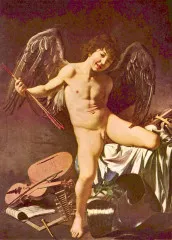 Love as the winner - Caravaggioid: wf1831
 -
-by-Van-Dyck_thumb_wide.webp) Lucas van Uffel (died 1637) - Antoon van Dyckid: wf6086
Lucas van Uffel (died 1637) - Antoon van Dyckid: wf6086 -
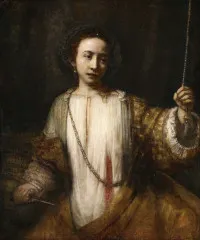 Lucretia (1666) - Rembrandt van Rijnid: wf12719
 -
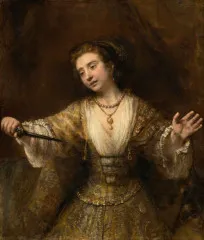 Lucretia - Rembrandt Harmenszoon van Rijnid: wf6992