
Barok kierunek w sztuce europełskiej od końca XVI do XVIII wieku obejmujący okres pomiędzy renesansem i oświeceniem. Nazwa pochodzi od wyrazu portugalskiego barocco oznaczającego perłę o dziwnym, nieregularnym kształcie. Barok cechuje przepych, bogactwo, kontrast światła i cienia i alegoria. W założeniu miał wprawić w zachwyt i olśnić odbiorcę. Malarze barokowi podejmowali najczęściej tematykę, mitologiczną, religijną alegoryczną i portretową. Stosowano powszechnie światłocień
Inne kategorie
Renesans Prymitywizm niderlandzki Barok Manieryzm Złoty Wiek Holandii Klasycyzm Akademizm Romantyzm Hudson River School Neoklasycyzm Impresjonizm Realizm Prymitywizm Postimpresjonizm Symbolizm Tonalizm Secesja Ekspresjonizm Kubizm Abstrakcjonizm-
 Garland of Fruit and Flowers (probably 1650 - 1660) - Jan Davidsz de Heemid: wf16345
 -
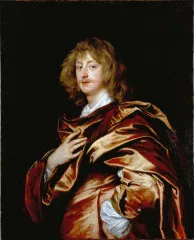 George Digby, 2nd Earl of Bristol - Antoon Van Dyckid: wf10217
 -
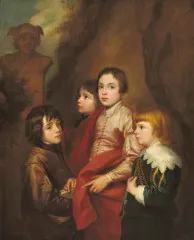 Group of Four Boys - Antoon van Dyckid: wf6919
 -
 Haman in disgrace - Rembrandtid: wf1371
 -
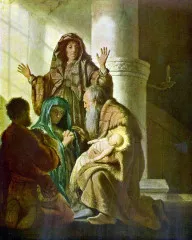 Hannah and Simeon in the temple - Rembrandtid: wf1377
 -
 Head Of A Bearded Man - Antoon Van Dyckid: wf10218
 -
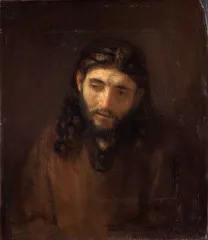 Head Of Christ 2 - Rembrandt van Rijnid: wf12711
 -
 Head Study Of A Bearded Man - Antoon Van Dyckid: wf10219
 -
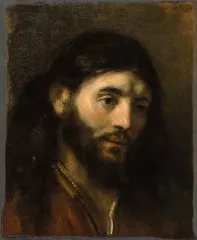 Head of Christ - Rembrandt Harmenszoon van Rijnid: wf6045
 -
 Head of Medusa (1617-1618) - Peter Paul Rubensid: wf12513
 -
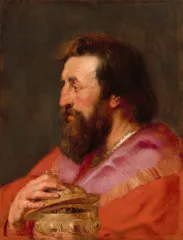 Head of One of the Three Kings - Melchior, The Assyrian King - Peter Pid: wf6931
 -
 Head of Saint John - Antoon van Dyckid: wf6532
 -
 Head of Saint Matthew (probably early 1660s) - Rembrandt van Rijnid: wf12712
 -
 Head of a Young Man (1601-1602) - Peter Paul Rubensid: wf12514
 -
 Head of a Young Man - Antoon van Dyckid: wf6934
 -
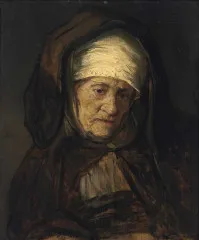 Head of an Aged Woman (1655-1660) - Rembrandt van Rijnid: wf12713
 -
 Head study of a bearded man 2 - Antoon Van Dyckid: wf10220
 -
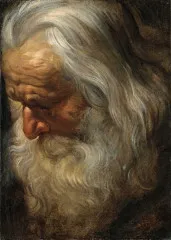 Head study of a bearded old man - Peter Paul Rubensid: wf12515
 -
 Head study of a man - Antoon Van Dyckid: wf10221
 -
 Hearing (1617-1618) - Peter Paul Rubensid: wf12516