
Barok kierunek w sztuce europełskiej od końca XVI do XVIII wieku obejmujący okres pomiędzy renesansem i oświeceniem. Nazwa pochodzi od wyrazu portugalskiego barocco oznaczającego perłę o dziwnym, nieregularnym kształcie. Barok cechuje przepych, bogactwo, kontrast światła i cienia i alegoria. W założeniu miał wprawić w zachwyt i olśnić odbiorcę. Malarze barokowi podejmowali najczęściej tematykę, mitologiczną, religijną alegoryczną i portretową. Stosowano powszechnie światłocień
Inne kategorie
Renesans Prymitywizm niderlandzki Barok Manieryzm Złoty Wiek Holandii Klasycyzm Akademizm Romantyzm Hudson River School Neoklasycyzm Impresjonizm Realizm Prymitywizm Postimpresjonizm Symbolizm Tonalizm Secesja Ekspresjonizm Kubizm Abstrakcjonizm-
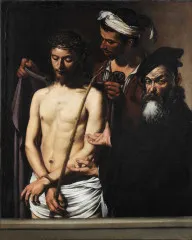 Ecce Homo (circa 1605) - Michelangelo Merisi de Caravagid: wf12125
 -
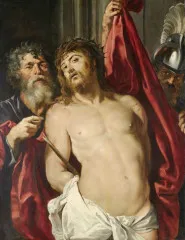 Ecce homo - Peter Paul Rubensid: wf7532
 -
 Education Of The Virgin (1655) - Bartolome Esteban Perez Murilloid: wf15392
 -
 El Parnaso - Nicolas Poussinid: wf10099
 -
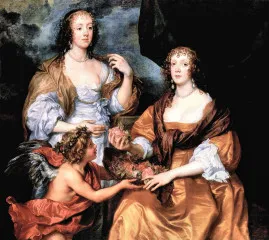 Elizabeth Thimbleby and Dorothy Viscountess Andover - Van Dyckid: wf1024
 -
 Embarkation of St Paula - Claude Lorrainid: wf16175
 -
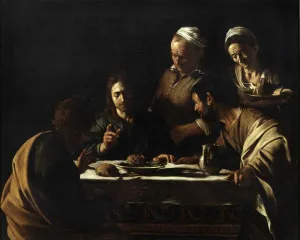 Emmaus - Caravaggioid: wf1034
 -
 Equestrian Portrait of the Duke of Buckingham (1625) - Peter Paul Rubensid: wf12509
 -
 Evangelist Mathew and the Angel - Rembrandtid: wf1066
 -
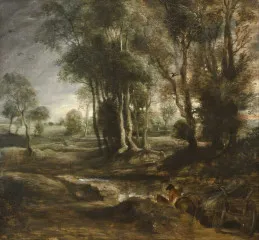 Evening Landscape with Timber Wagon (1630 - 1640) - Peter Paul Rubensid: wf12510
 -
 Expulsion from the Garden of Eden (1620) - Peter Paul Rubensid: wf12511
 -
 Fall of the Damned (first half of 17th century) - Peter Paul Rubensid: wf12512
 -
 Family Portrait - Rembrandtid: wf1079
 -
 Festoon of Fruit and Flowers (1660 - 1670) - Jan Davidsz de Heemid: wf16342
 -
 Fighting cats - Frans Snydersid: wf12221
 -
 Figures Among Ruins By The Tiber (1632) - Bartholomeus Breenberghid: wf14703
 -
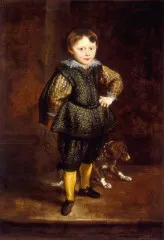 Filippo Cattaneo - Antoon van Dyckid: wf6875
 -
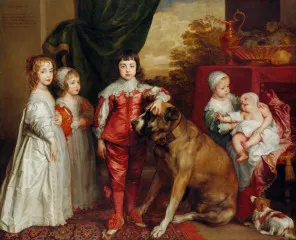 Five Eldest Children Of Charles I - Antoon Van Dyckid: wf10215
 -
 Flemish Kirmes - Rubensid: wf1157
 -
 Flight into Egypt - Rembrandtid: wf1158